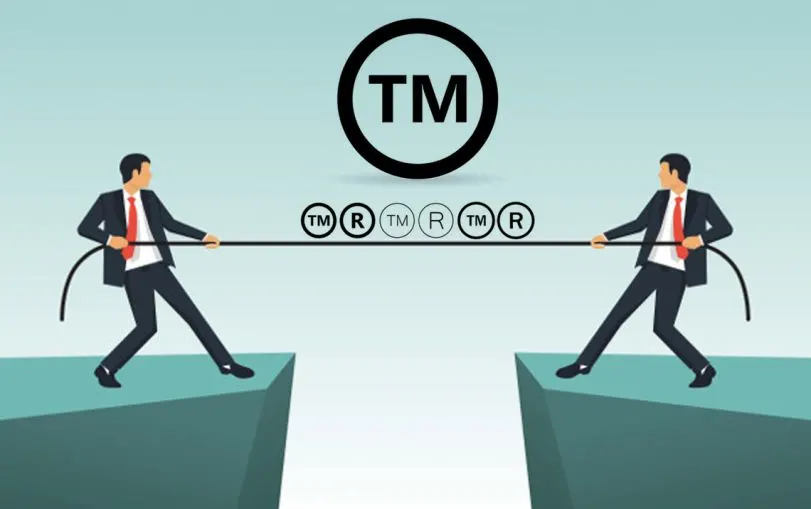
Trademark Opposition
Opposition
- Drafting Opposition Notice
- Attorney Prepared
- Filing on IPIndia
Opposition Hearing
- Evidence Submission
- Attorney Apperance
- Filing on IPIndia
Personalized Quotes!!
Trademark Opposition
Publication of the Trademark: After the trademark application clears the examination process and meets all requirements, it is published in the official gazette or journal.
Opposition Period: Upon publication, a specified period is provided during which third parties can oppose the registration of the trademark. This period typically ranges from one to three months from the date of publication.
Grounds for Opposition: Third parties may oppose a trademark registration on various grounds, including similarity to their existing trademarks, likelihood of confusion, lack of distinctiveness, deceptive elements, or any other legal grounds as per the applicable trademark laws.
Filing an Opposition: To oppose a trademark, the third party must file a notice of opposition with the relevant trademark office within the stipulated opposition period. The notice of opposition should detail the grounds for opposition and any supporting evidence.
Response: After receiving the notice of opposition, the trademark applicant has an opportunity to respond to the opposition by submitting a counter-statement within a specified timeframe. The counter-statement should address the grounds for opposition and provide arguments and evidence in support of the trademark’s registration.
Evidence and Hearing: Depending on the jurisdiction, the trademark office may allow both parties to submit evidence and arguments supporting their respective positions. In some cases, a hearing may be conducted to further examine the matter.
Decision: After considering the arguments, evidence, and legal provisions, the trademark office will make a decision either allowing or refusing the trademark registration. If the opposition is successful, the trademark application may be refused or subject to certain modifications.
Appeal: In case of an adverse decision, either party may have the right to appeal to a higher authority, such as a trademark appellate board or a court, depending on the jurisdiction.